Popular Science by Celestron StarSense Explorer DX 5" Smartphone App-Enabled Schmidt Cassegrain Telescope
Popular Science by Celestron StarSense Explorer DX 5" Smartphone App-Enabled Schmidt Cassegrain Telescope
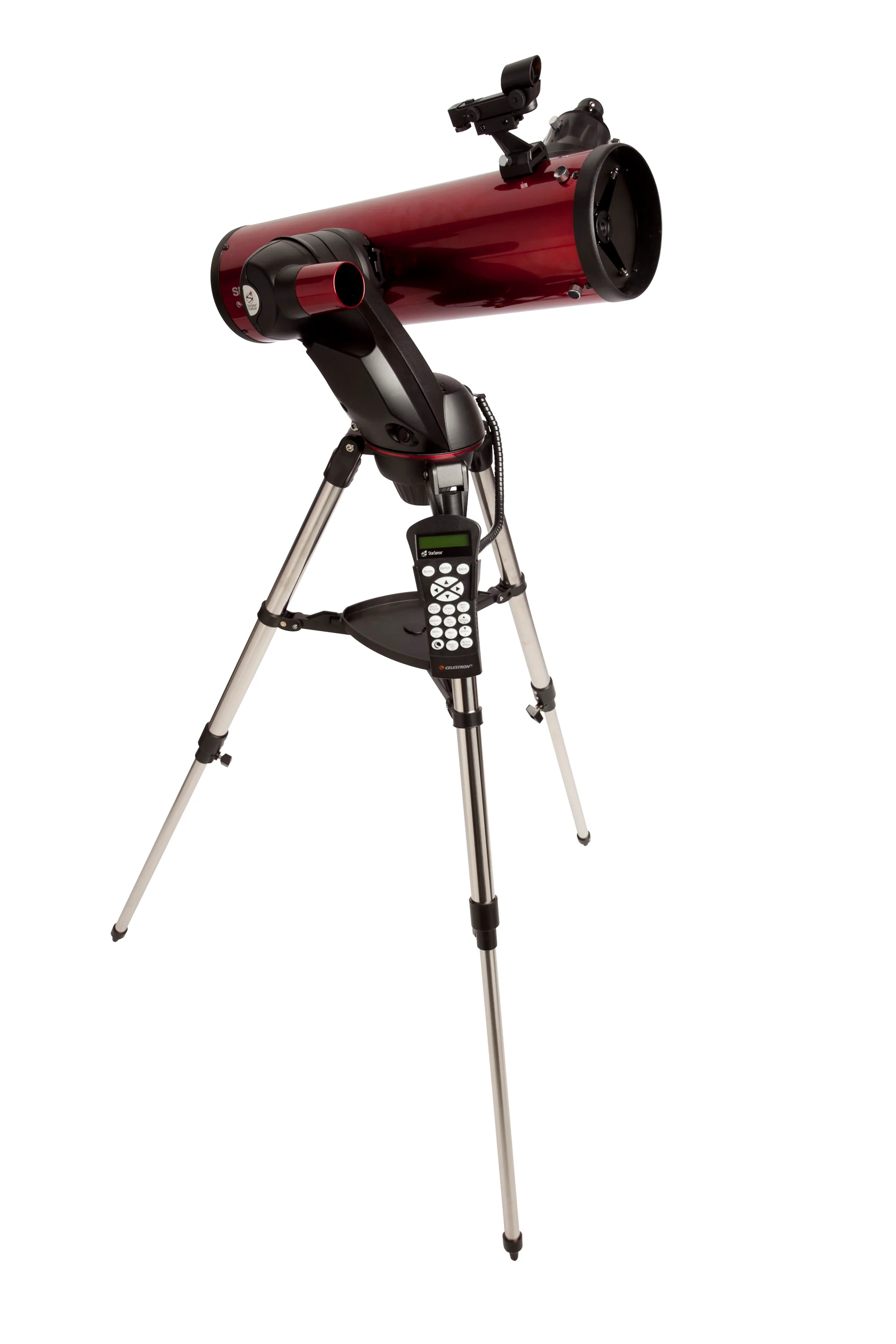
Celestron has reinvented the manual telescope with StarSense Explorer—the first telescope that uses your smartphone to analyze the night sky and calculate its position in real time. This special edition Popular Science by Celestron StarSense Explorer is ideal for beginners thanks to the app’s user-friendly interface and detailed tutorials. It’s like having your own personal tour guide of the night sky.
Dock, Launch, Explore
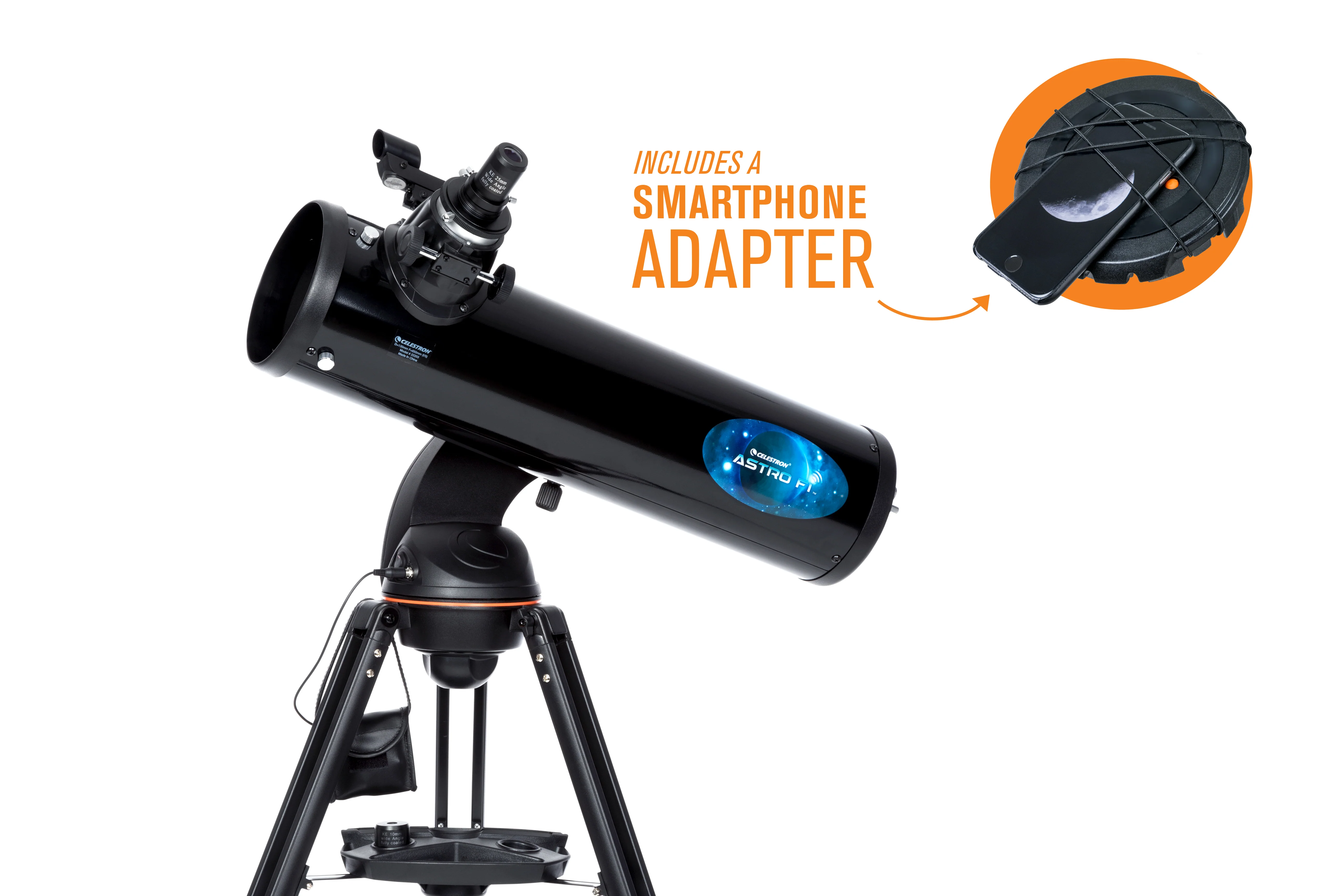
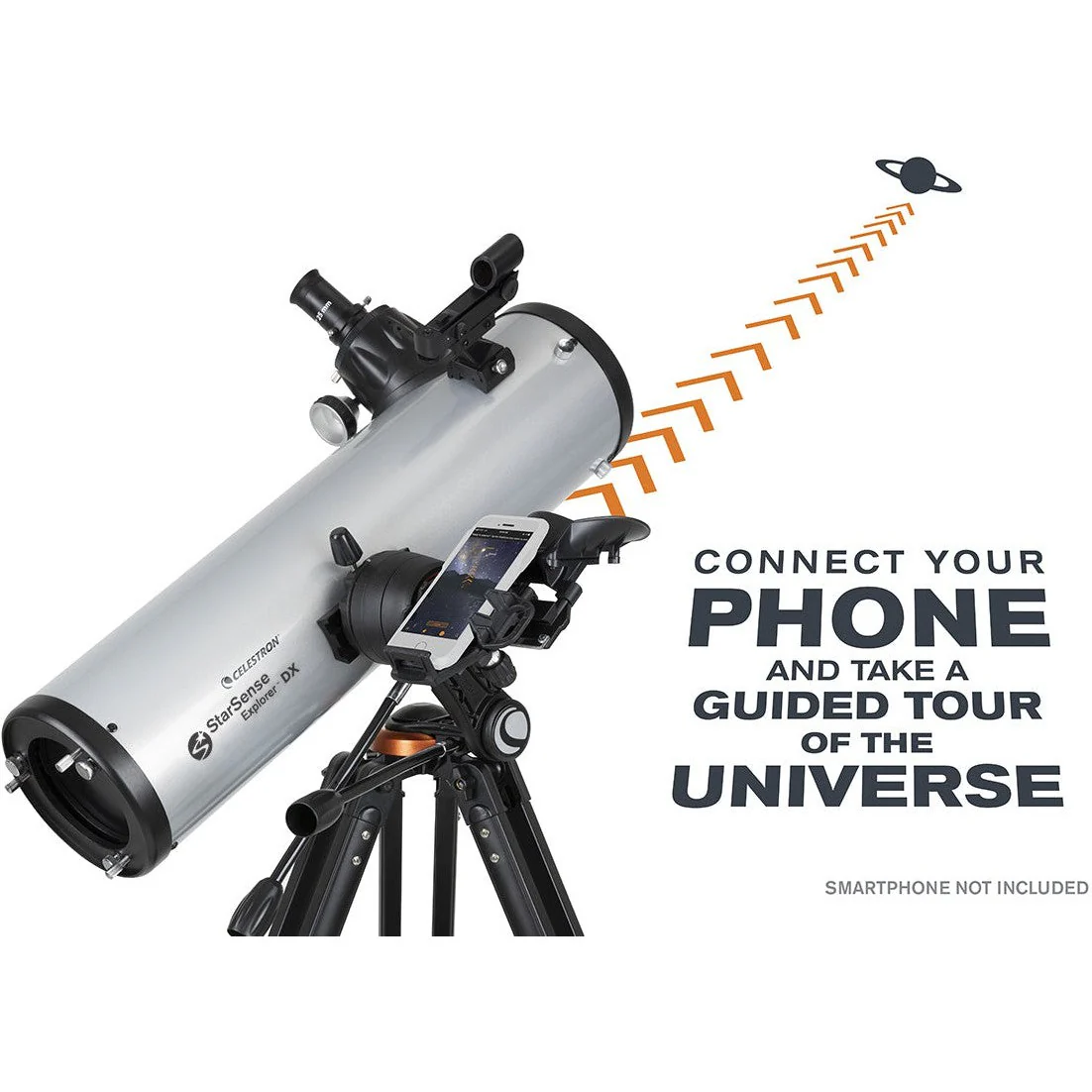
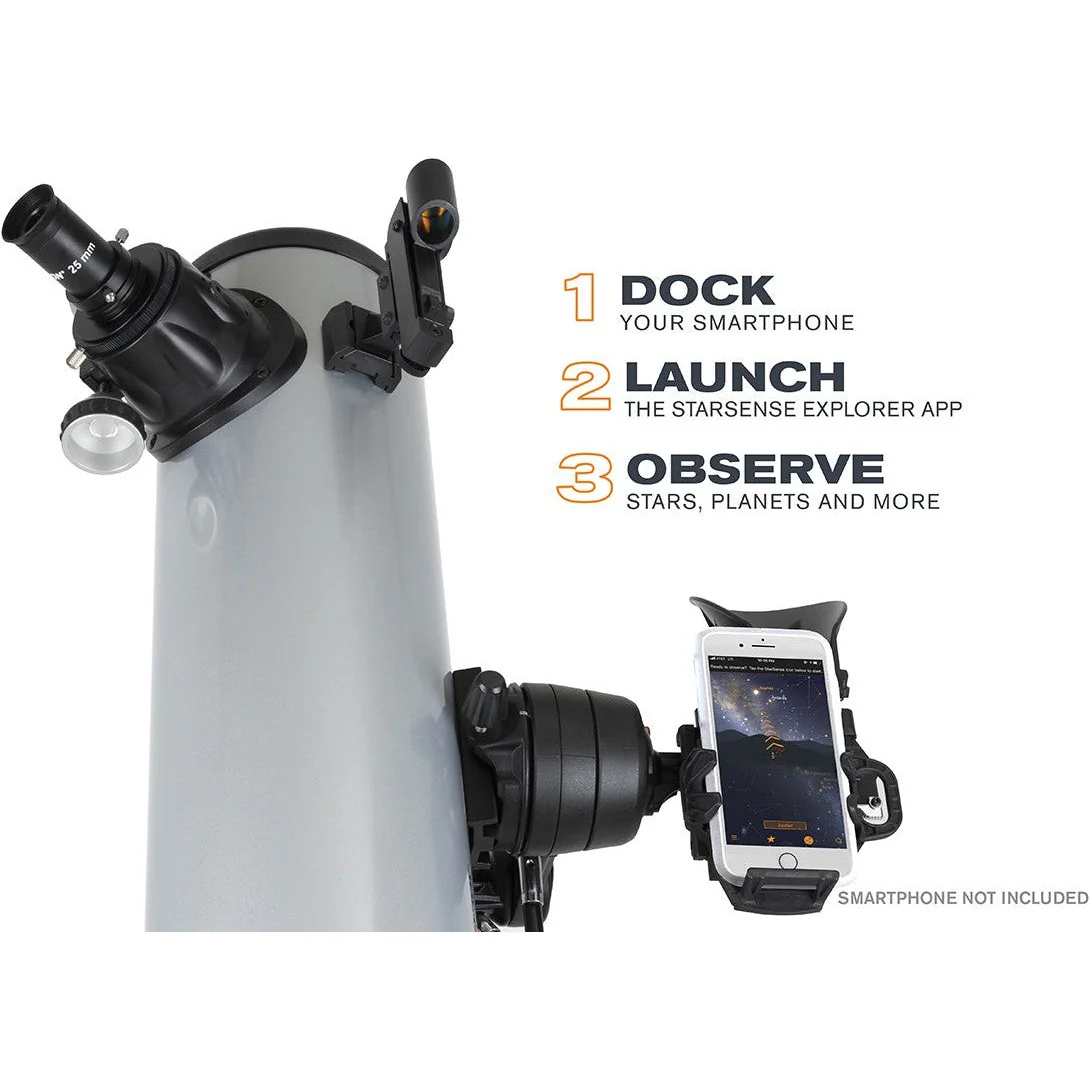
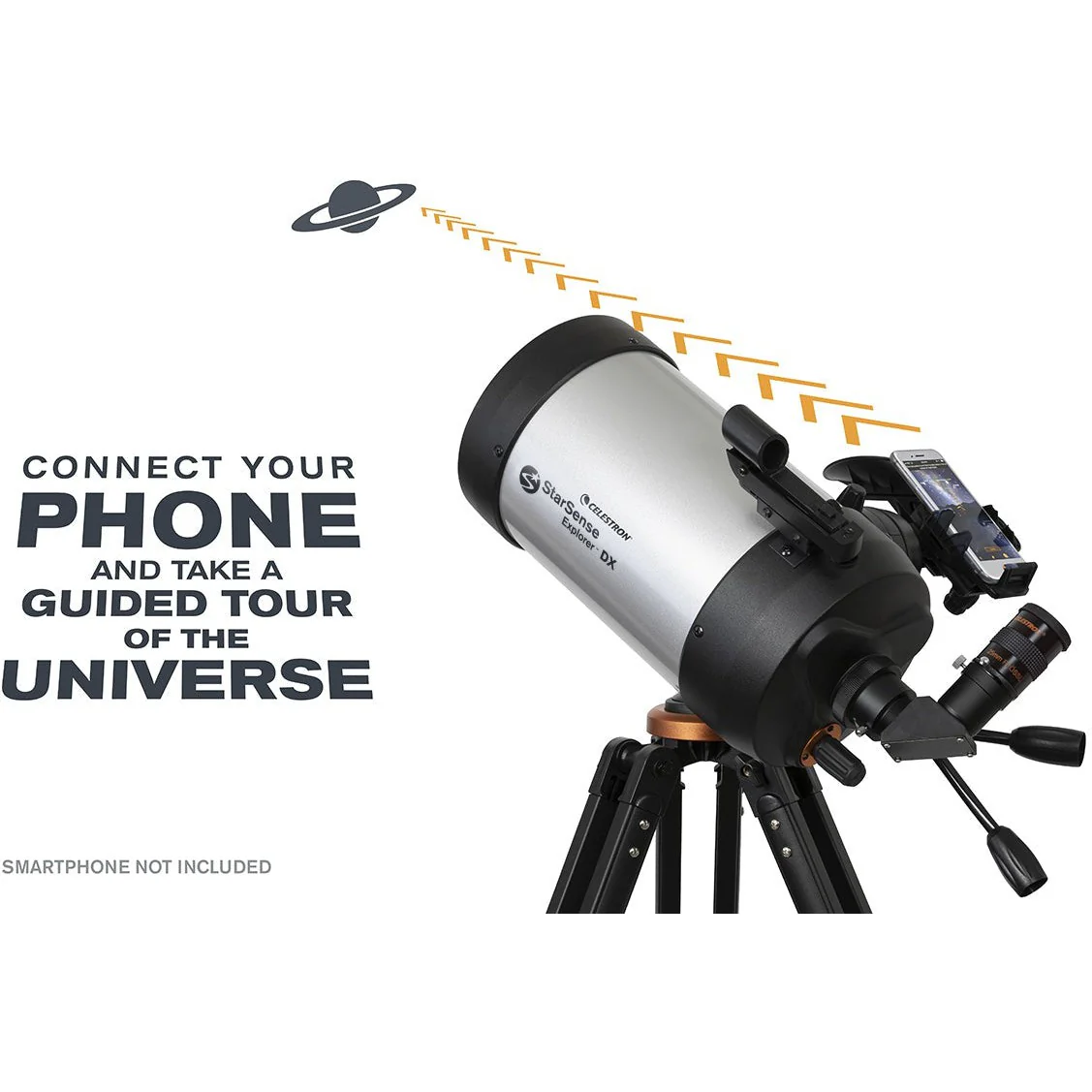
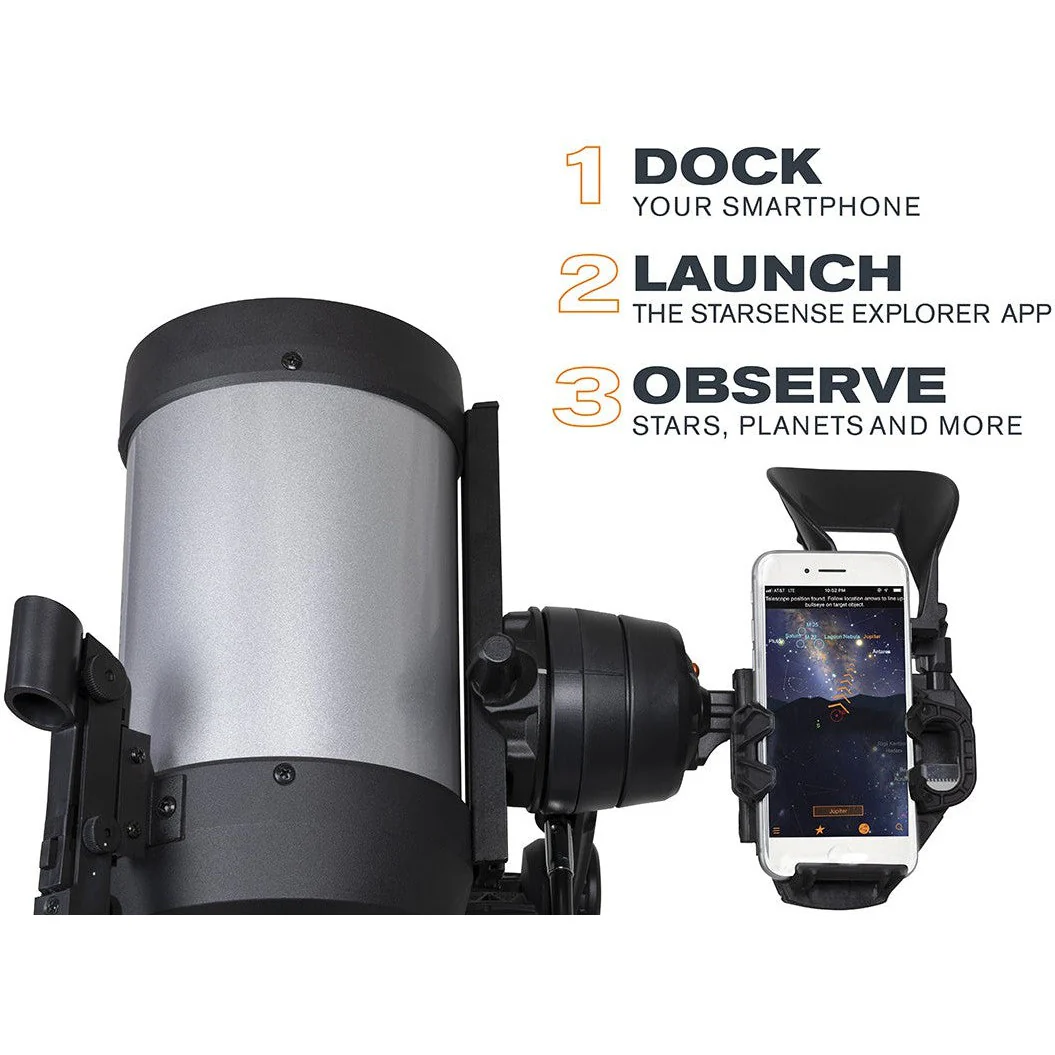
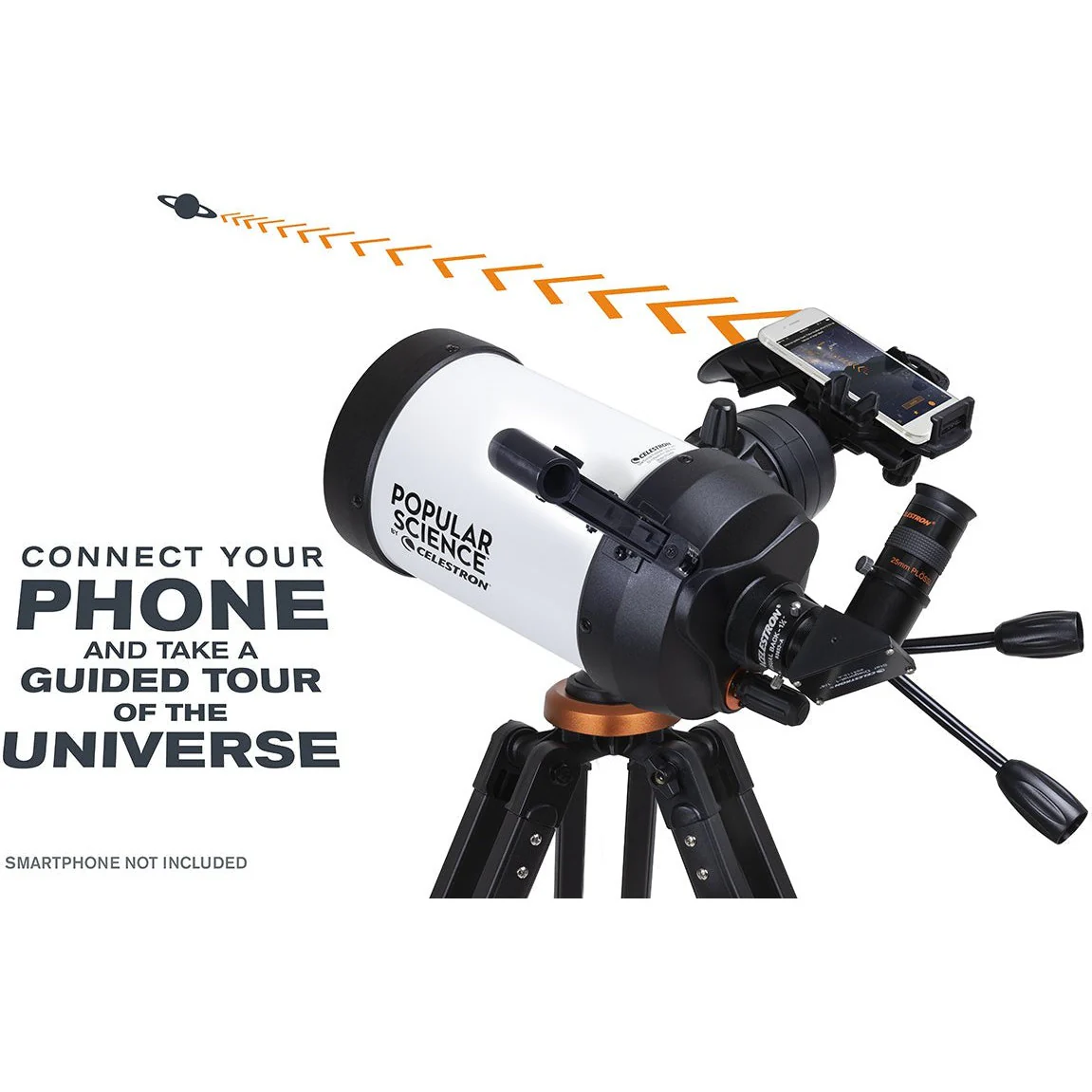
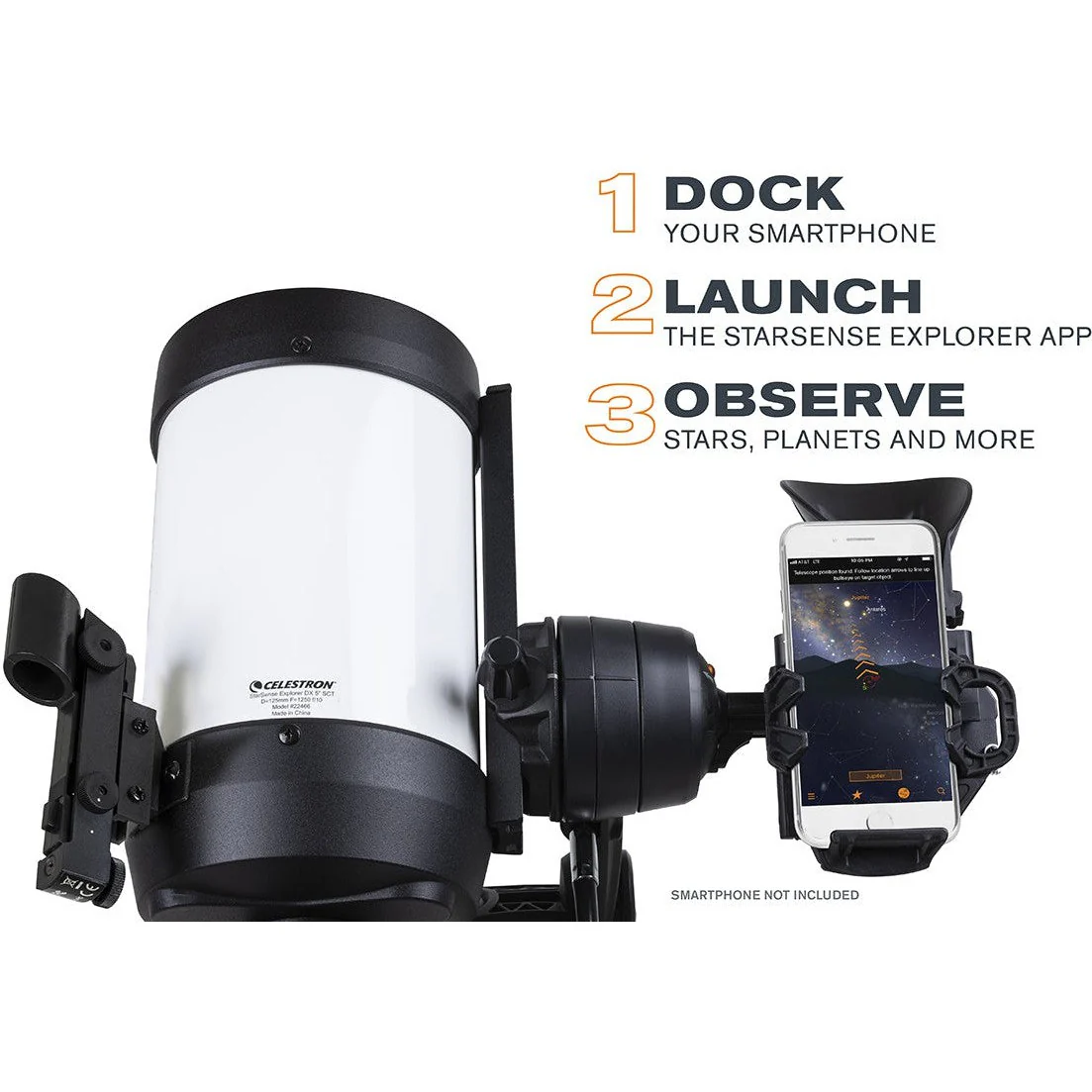
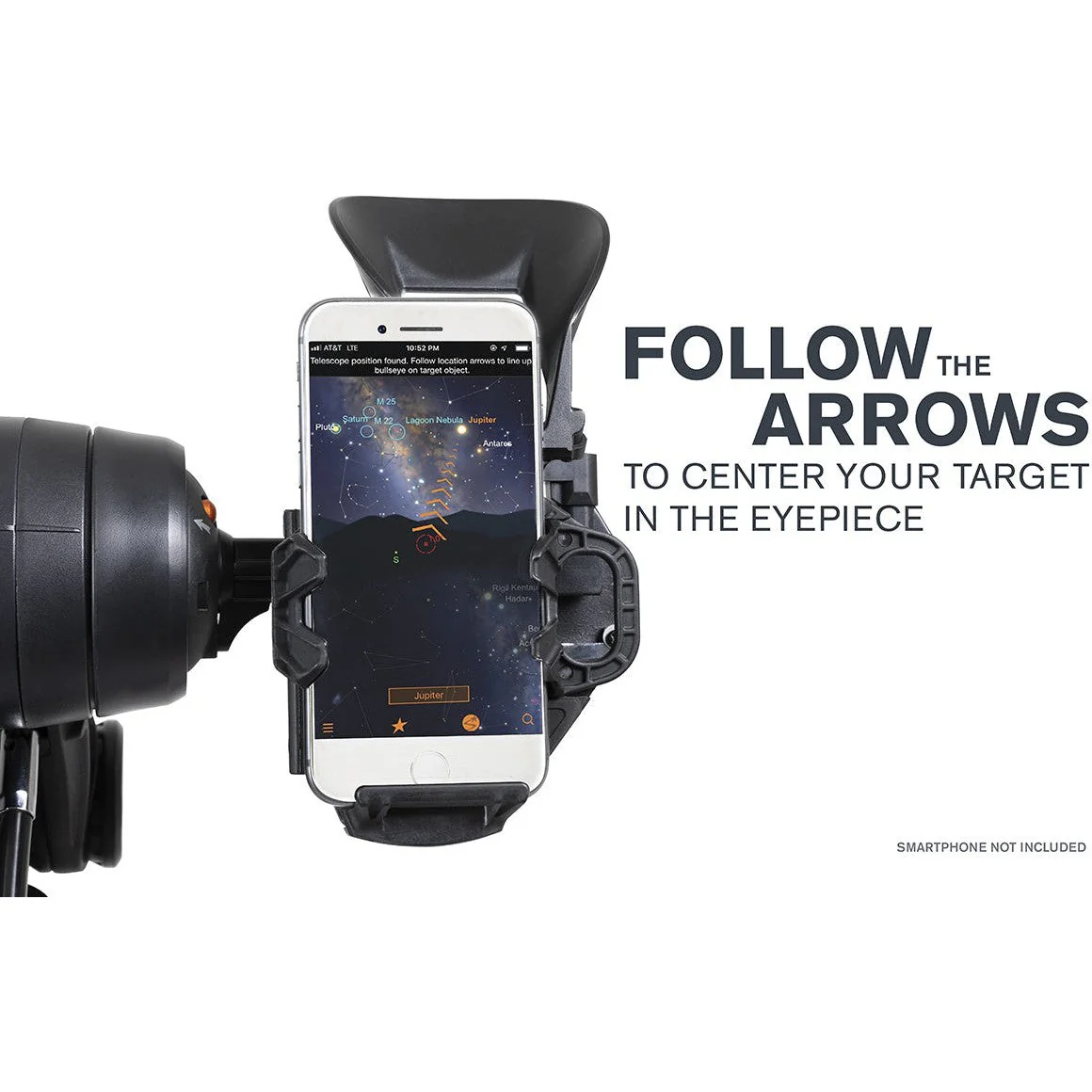
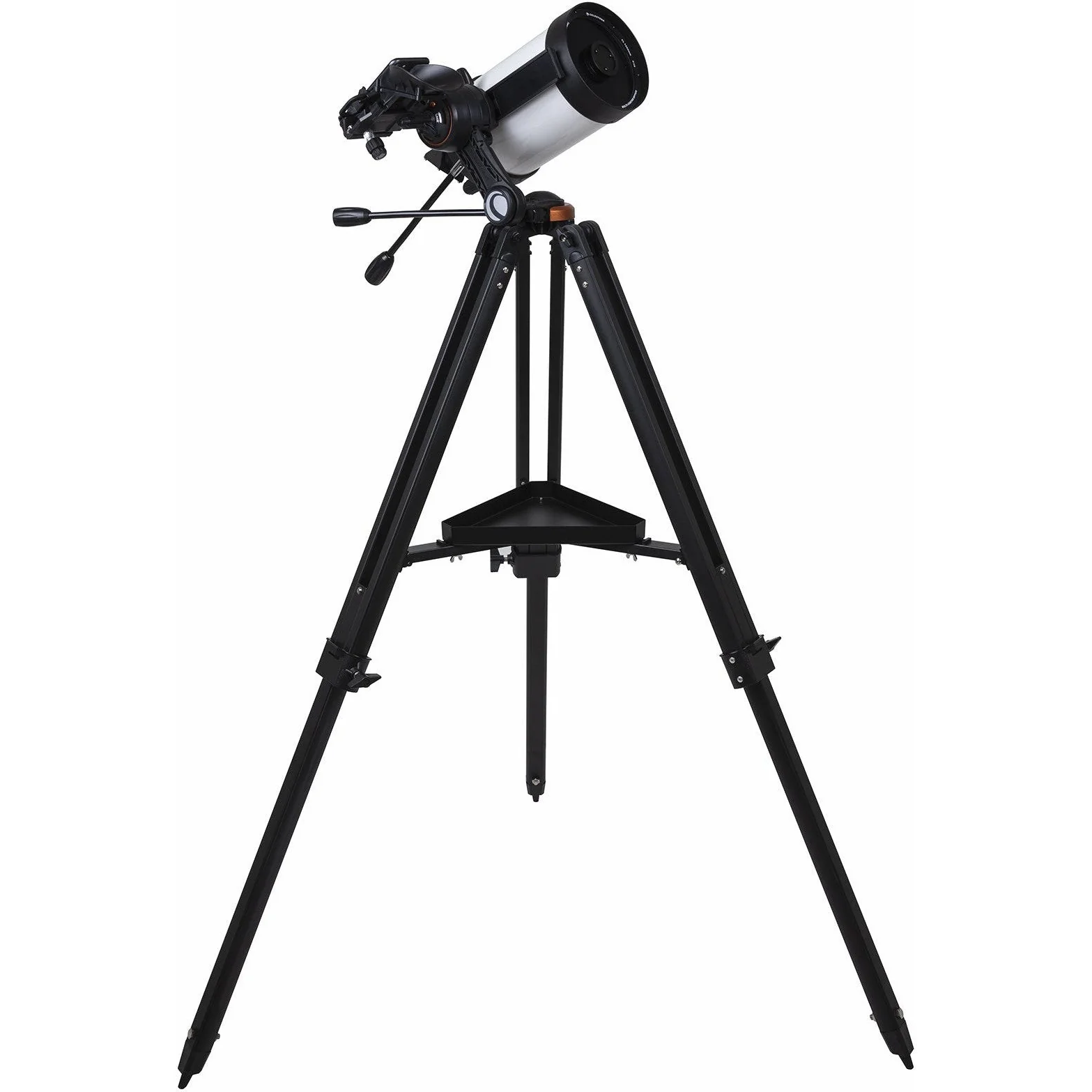
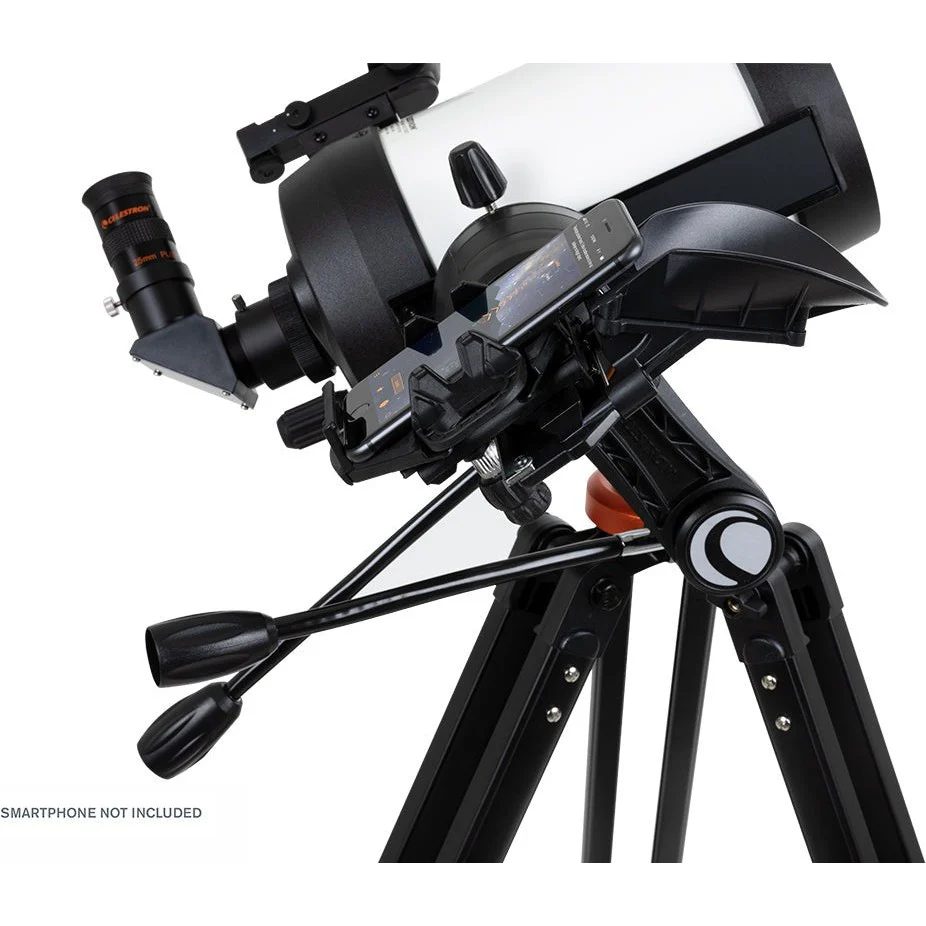
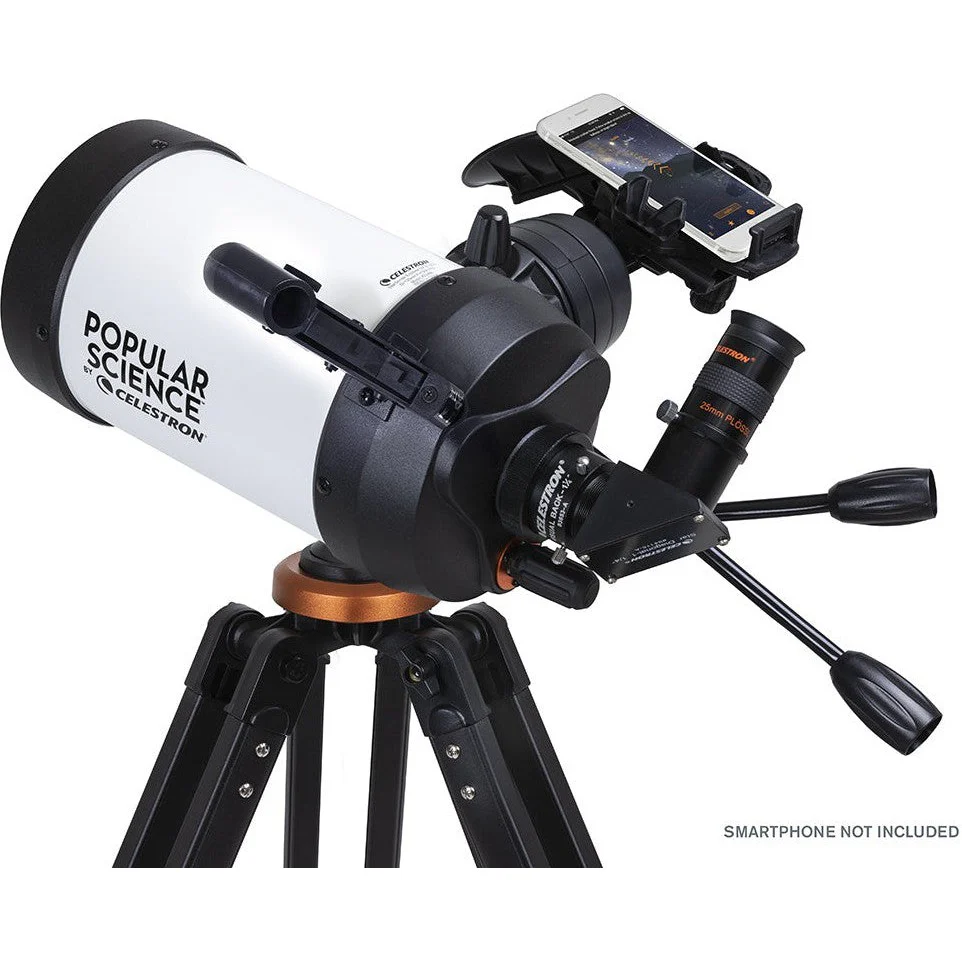
Leave complicated star charts, imprecise planetarium apps, and computerized mounts behind. With StarSense Explorer, locating objects has never been easier, faster, or more accurate. Within minutes of setting up the telescope, you’ll be navigating the sky with confidence. Simply place your phone in the unique StarSense dock and launch the StarSense Explorer app. After aligning your phone to the telescope’s optics (a quick, 2-minute procedure), StarSense Explorer generates a list of celestial objects currently visible. Make your selection and arrows appear onscreen, guiding you as you to move the telescope. When the object is ready to view, the bullseye turns green.
Smartphone Compatibility
StarSense Explorer works with most modern smartphones; it is compatible with Android 12 and later, as well as iOS 18 and newer, including iPhone XR and newer models. Users with older phones can still use this app, but will not be able to reinstall the app if they uninstall it. For a complete compatibility list, click here.
Patented StarSense Sky Recognition Technology
StarSense Explorer uses patented technology and your smartphone to determine exactly where the telescope is pointed in the night sky. A Lost in Space Algorithm (LISA), like the ones satellites use in orbit to correctly orient themselves, helps the app match star patterns it detects overhead to its internal database.
While other astronomy apps may claim that they can help you find objects, they rely exclusively on the phone’s gyros and accelerometers, which aren’t as accurate as LISA technology. No other app can accurately tell you when your target is visible in the eyepiece.
High Quality Altazimuth Mount with Slow Motion Control
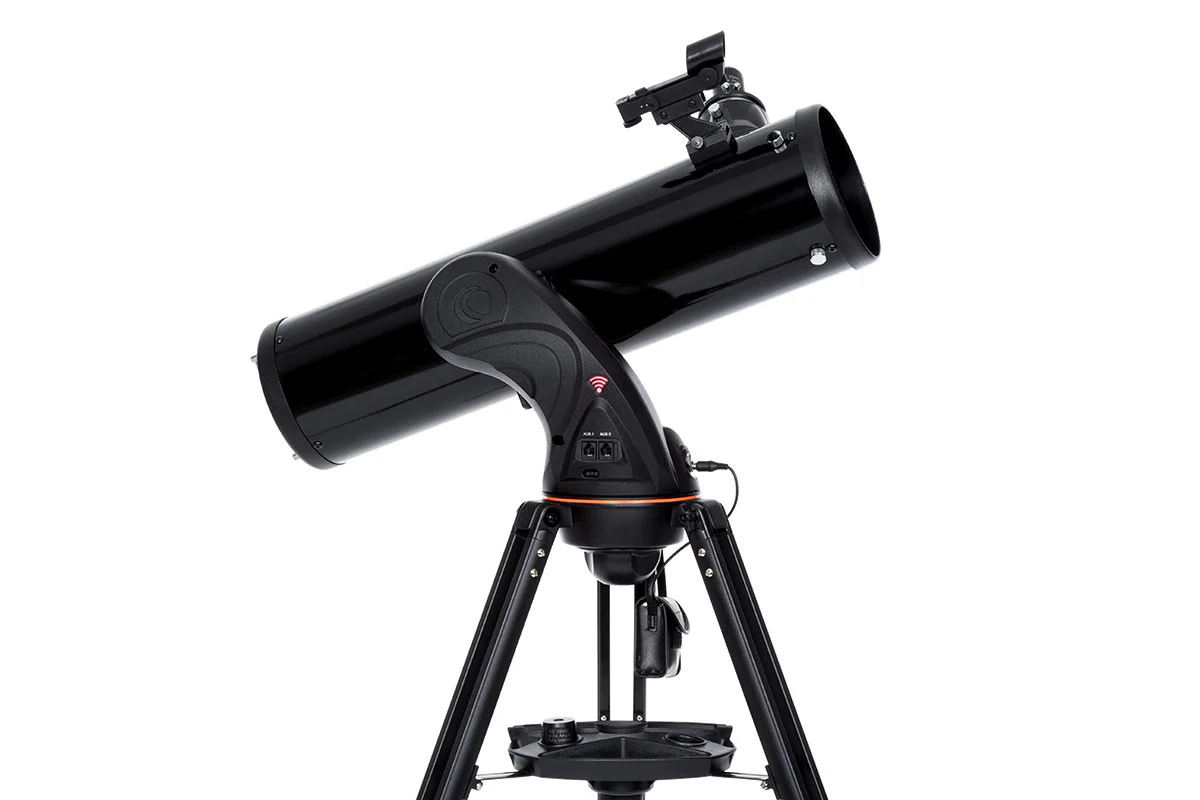
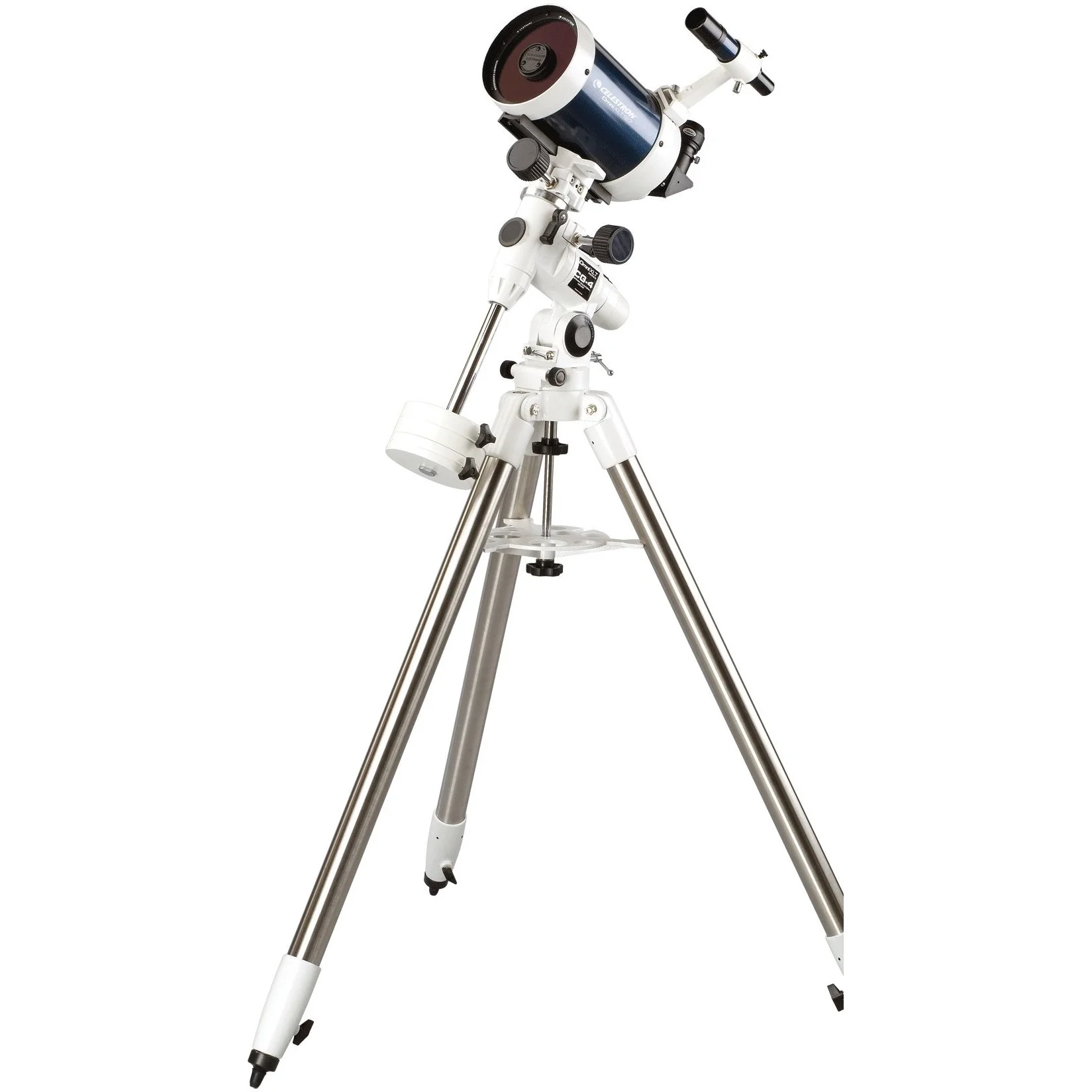
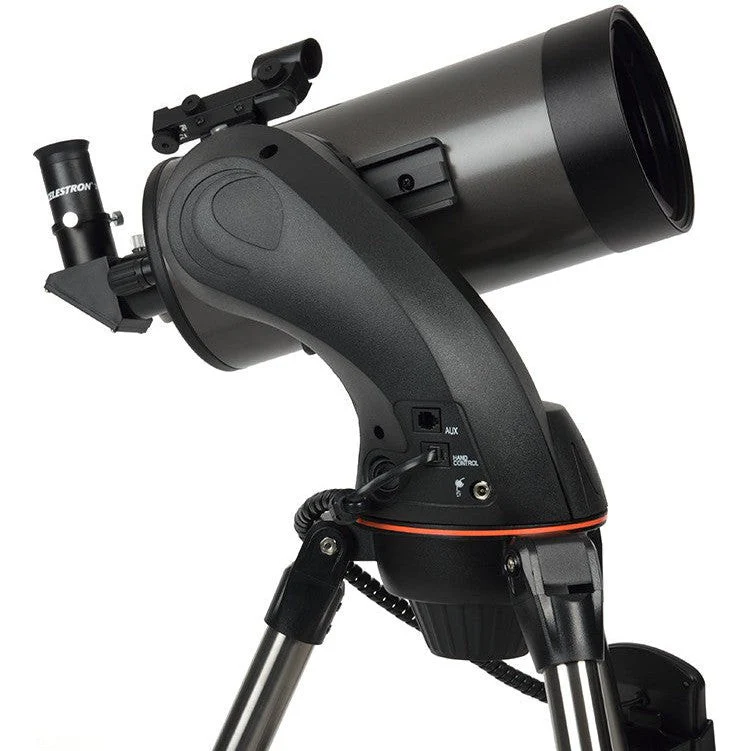
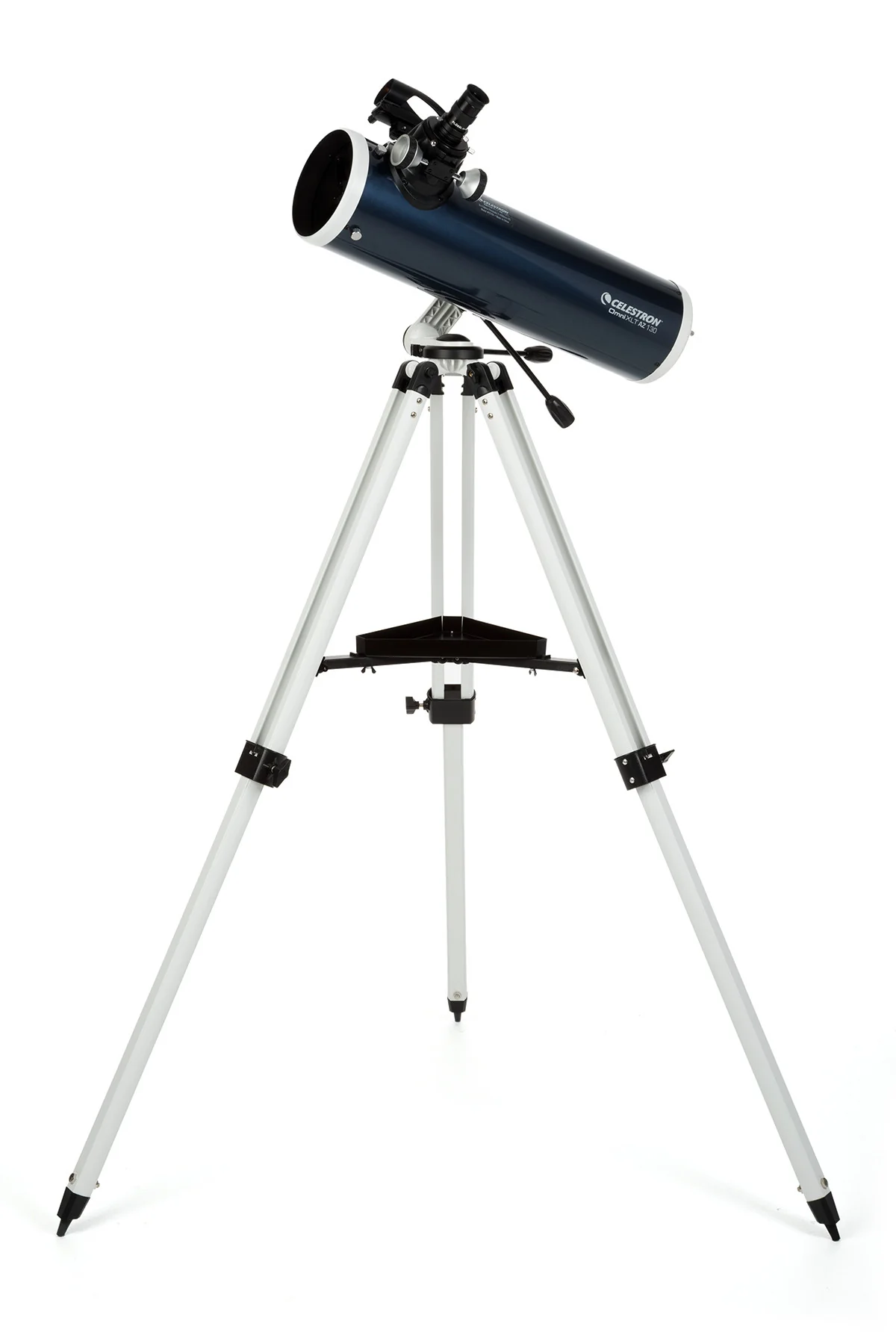
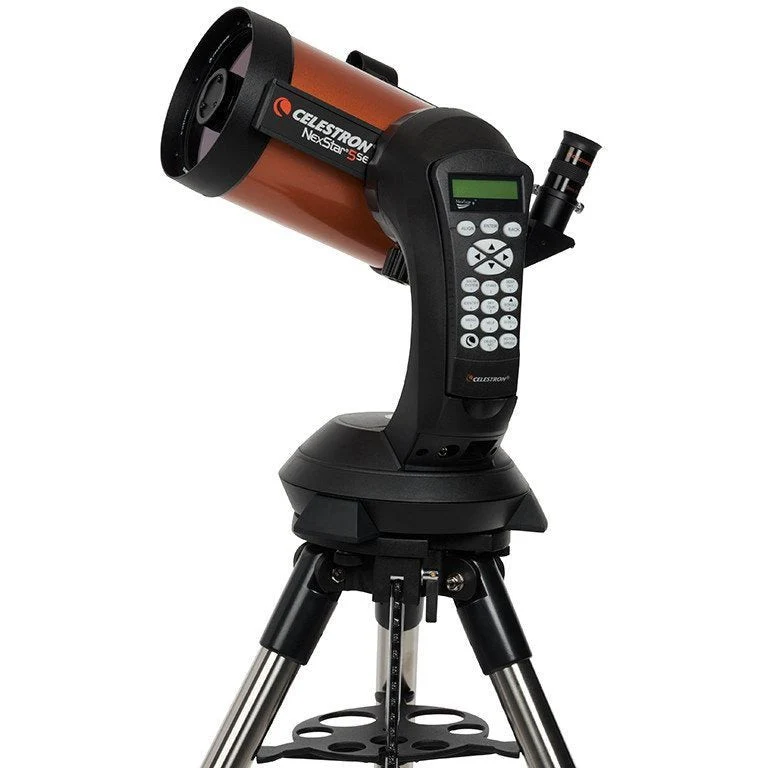
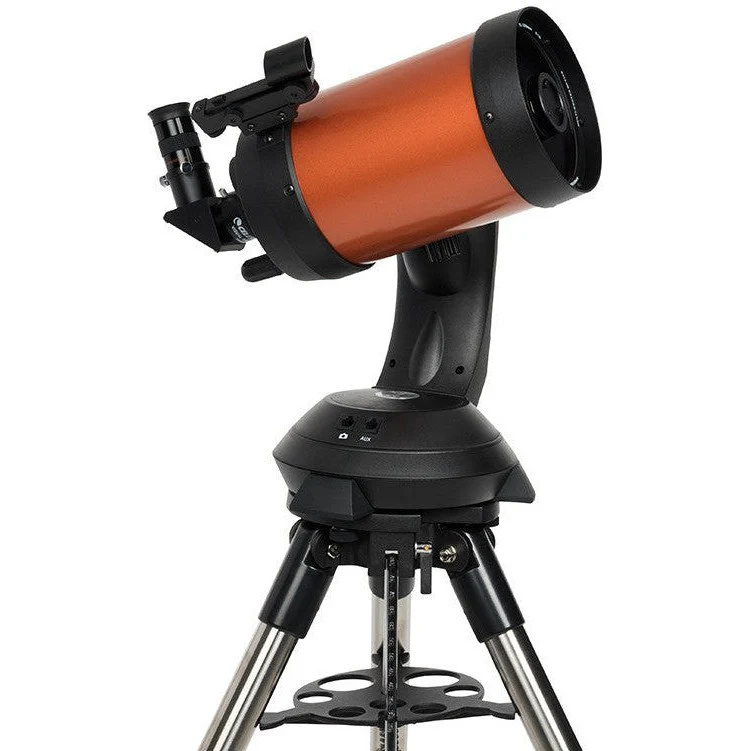
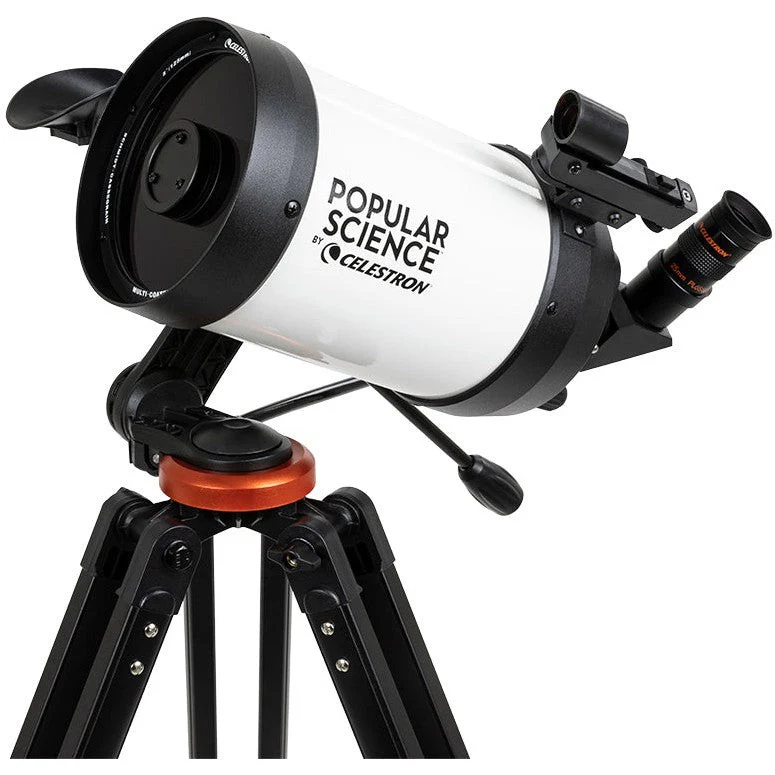
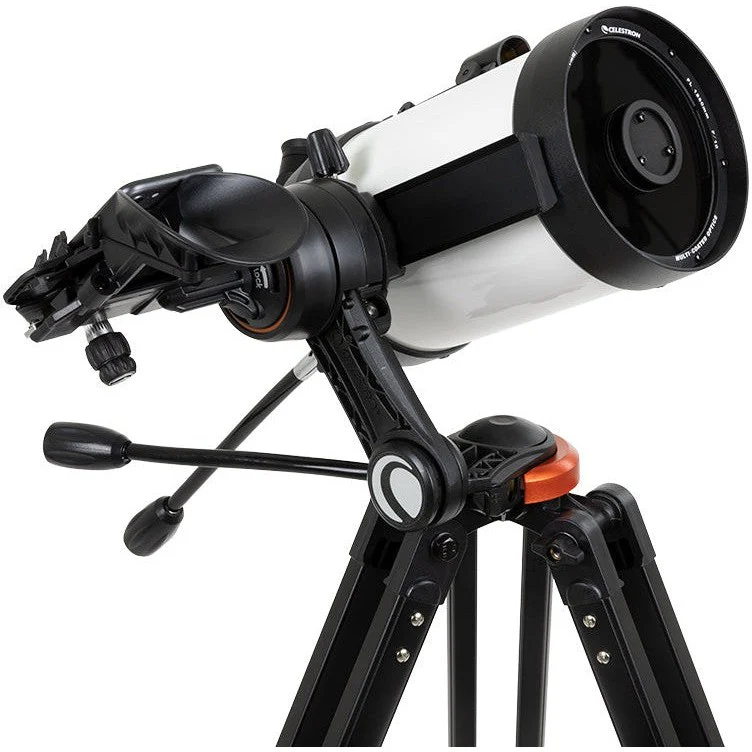
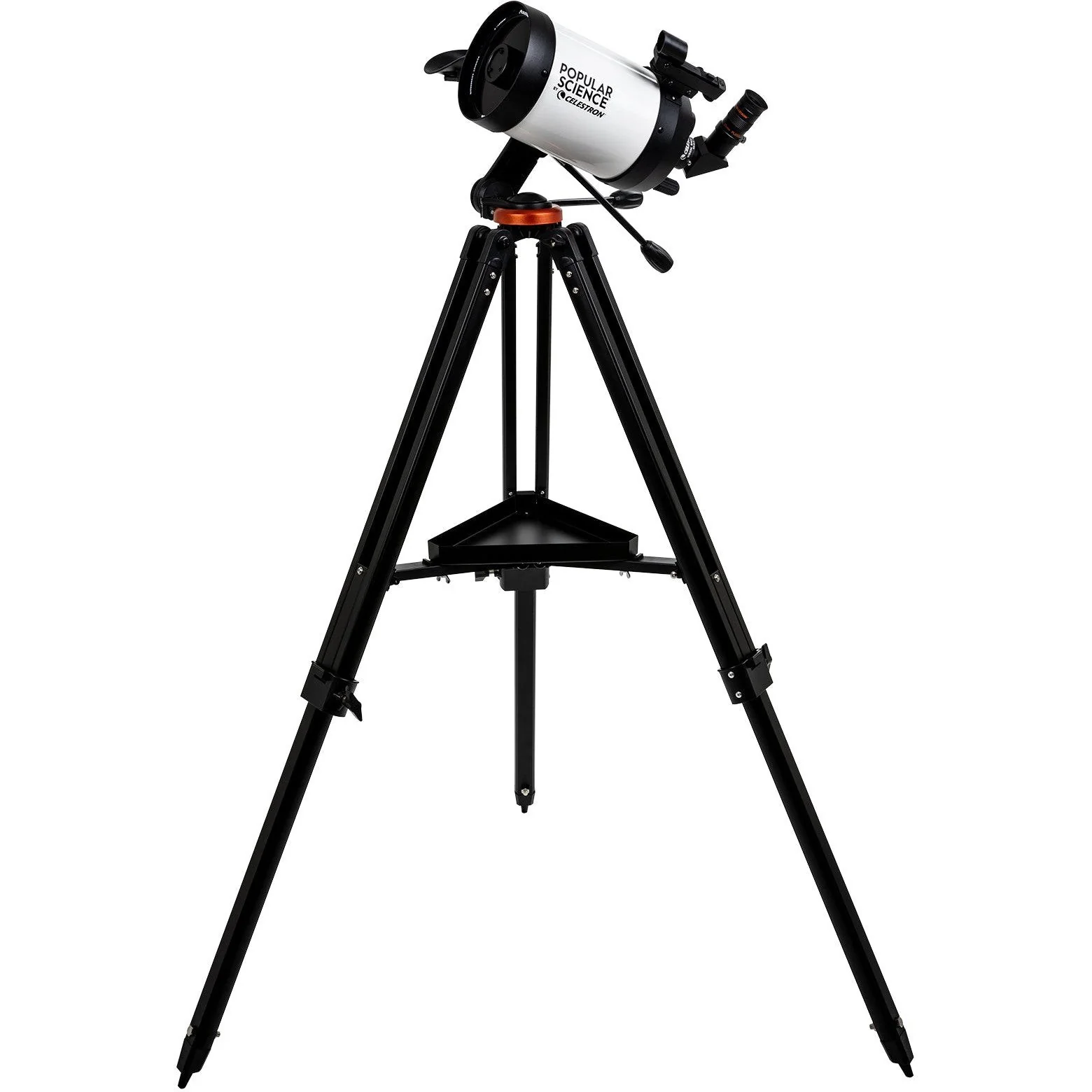
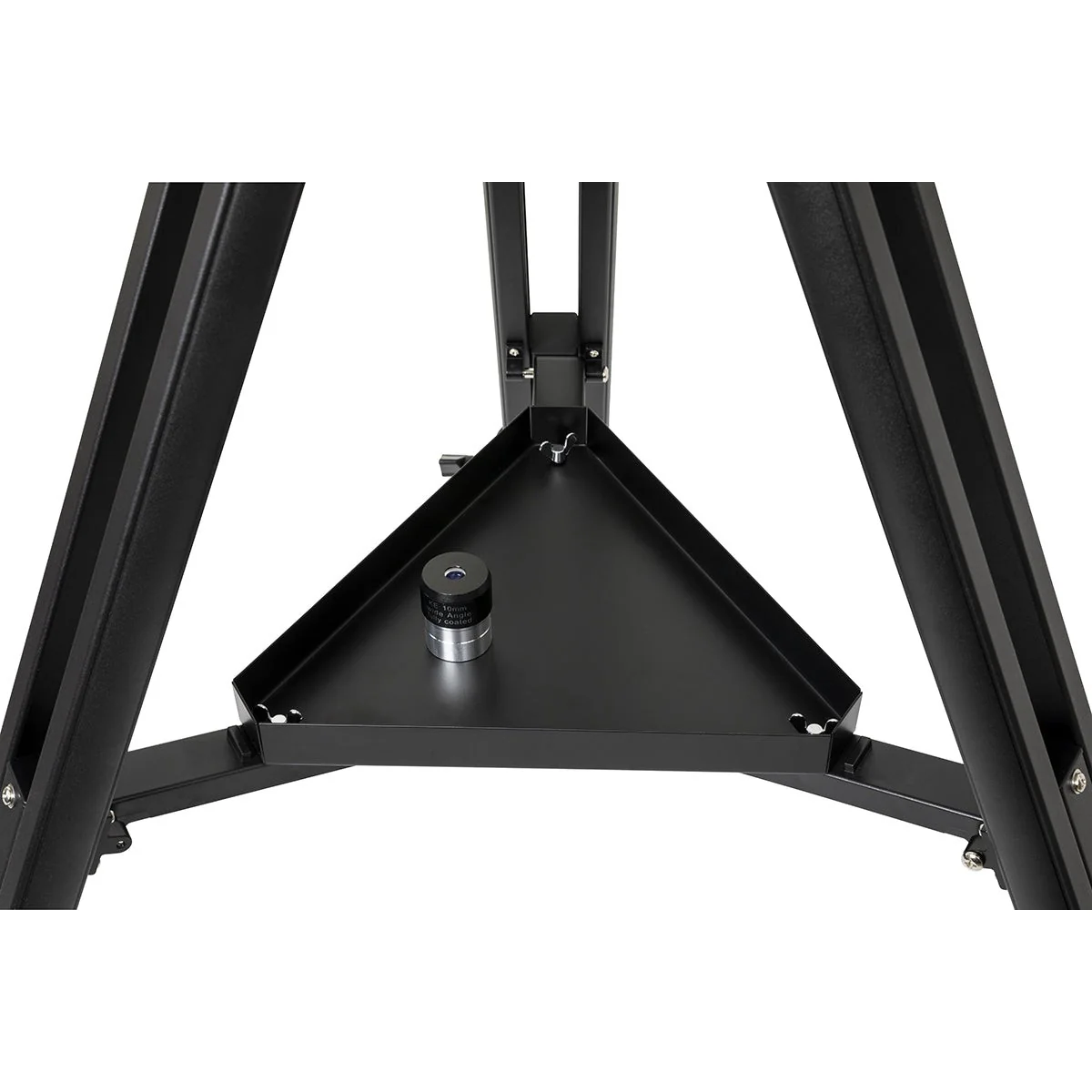
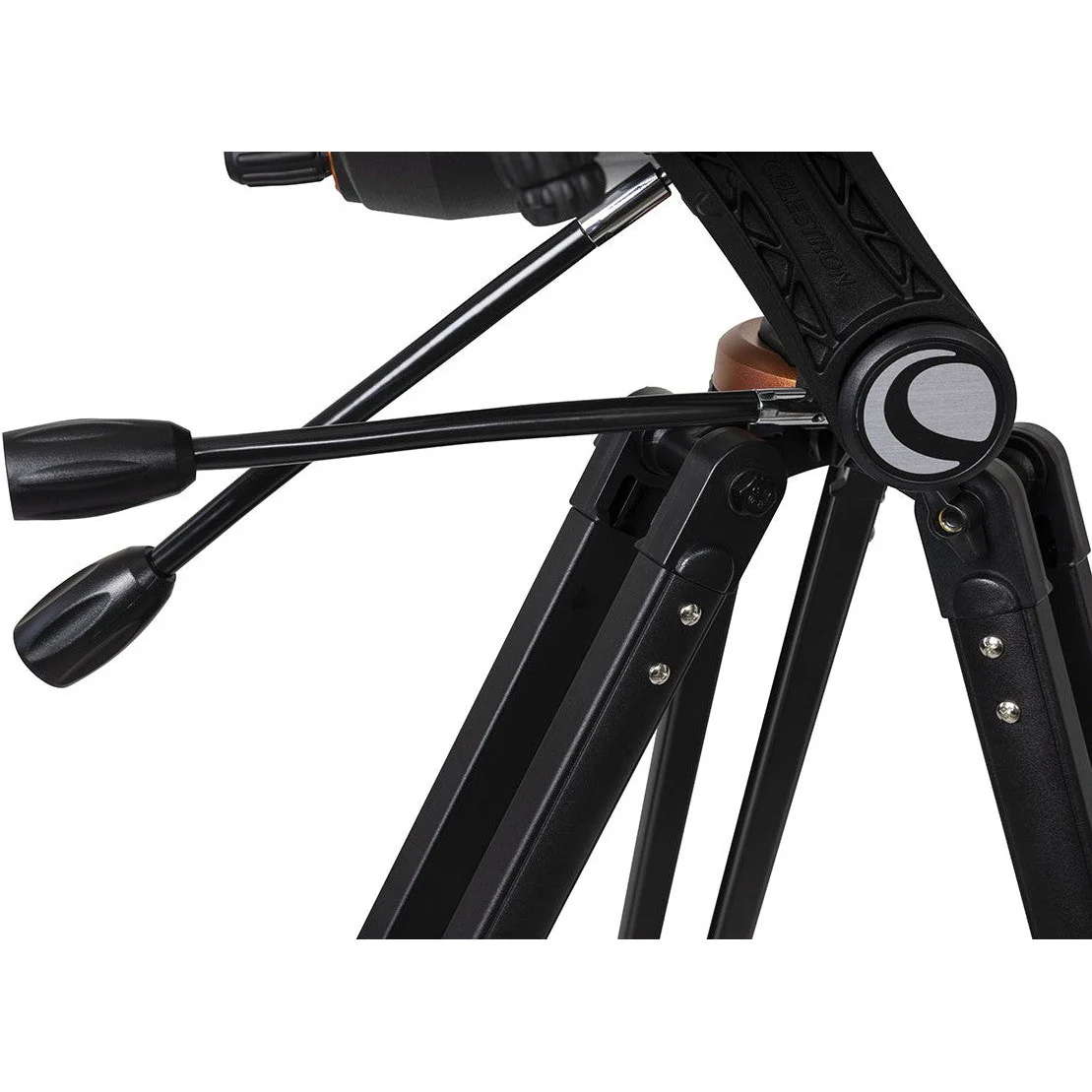
An ultra-stable altazimuth mount provides a sturdy foundation for StarSense Explorer DX. Slip clutches and geared slow motion controls in both axes help you move the telescope smoothly and zero in your target. As celestial objects appear to drift across the night sky, you’ll be able to follow them with just a few turns of the knobs. It’s all anchored by an adjustable, full-height tripod.
Dazzling Views with High Quality Optics
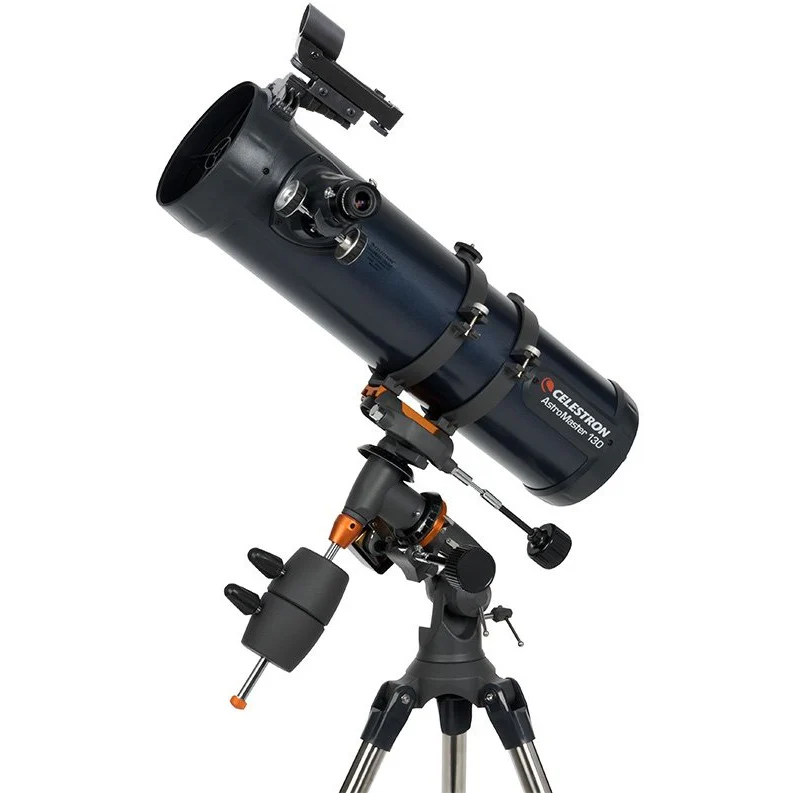
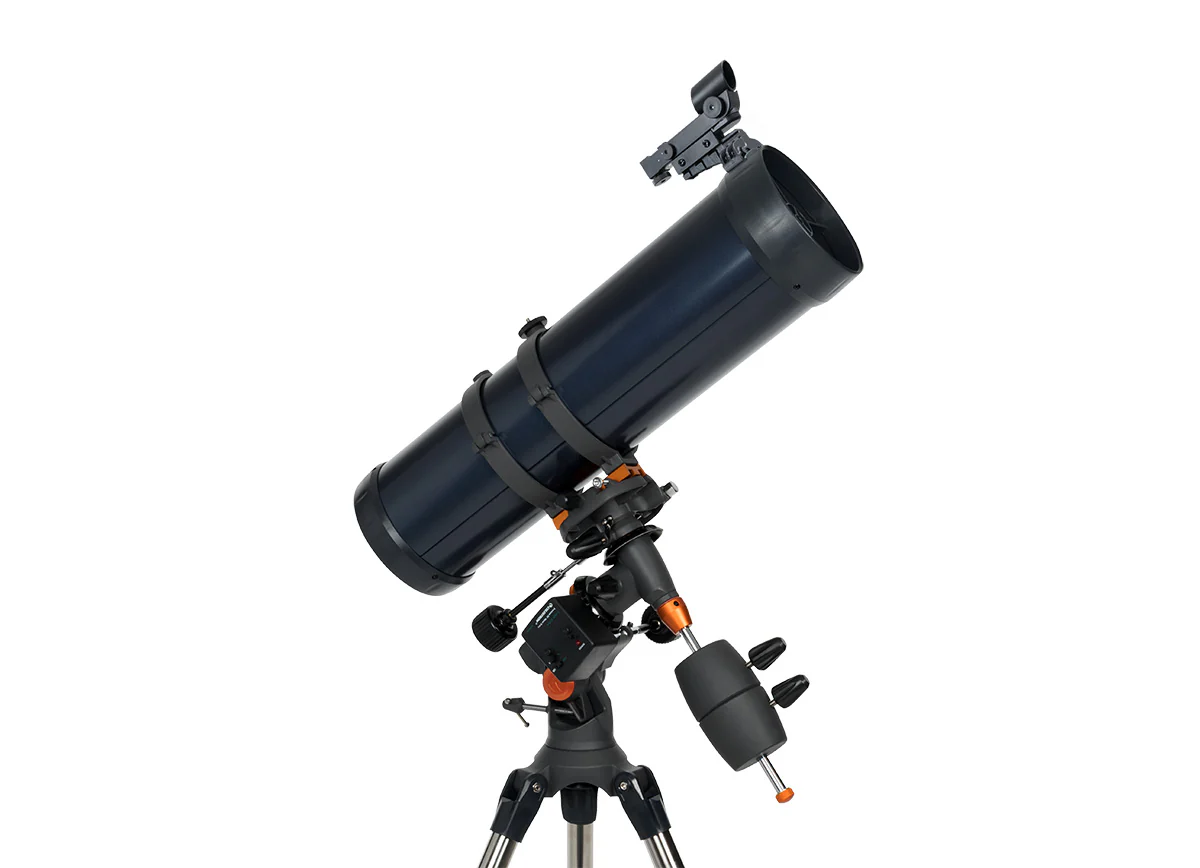
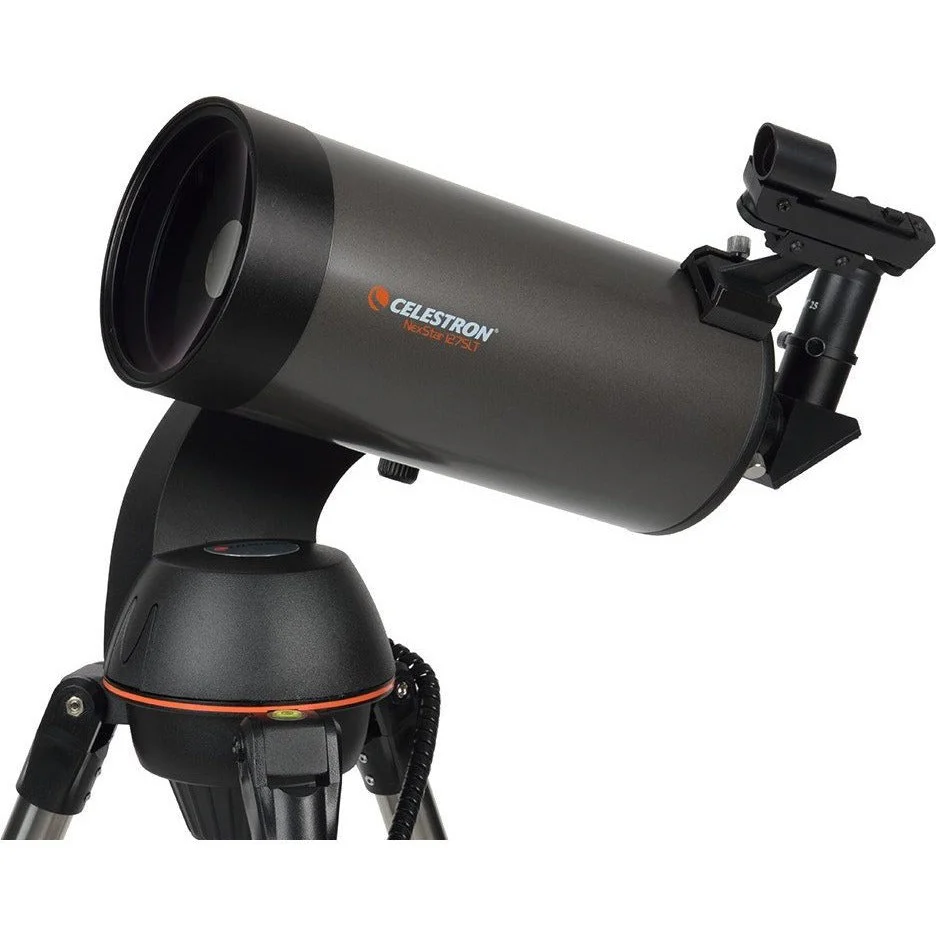
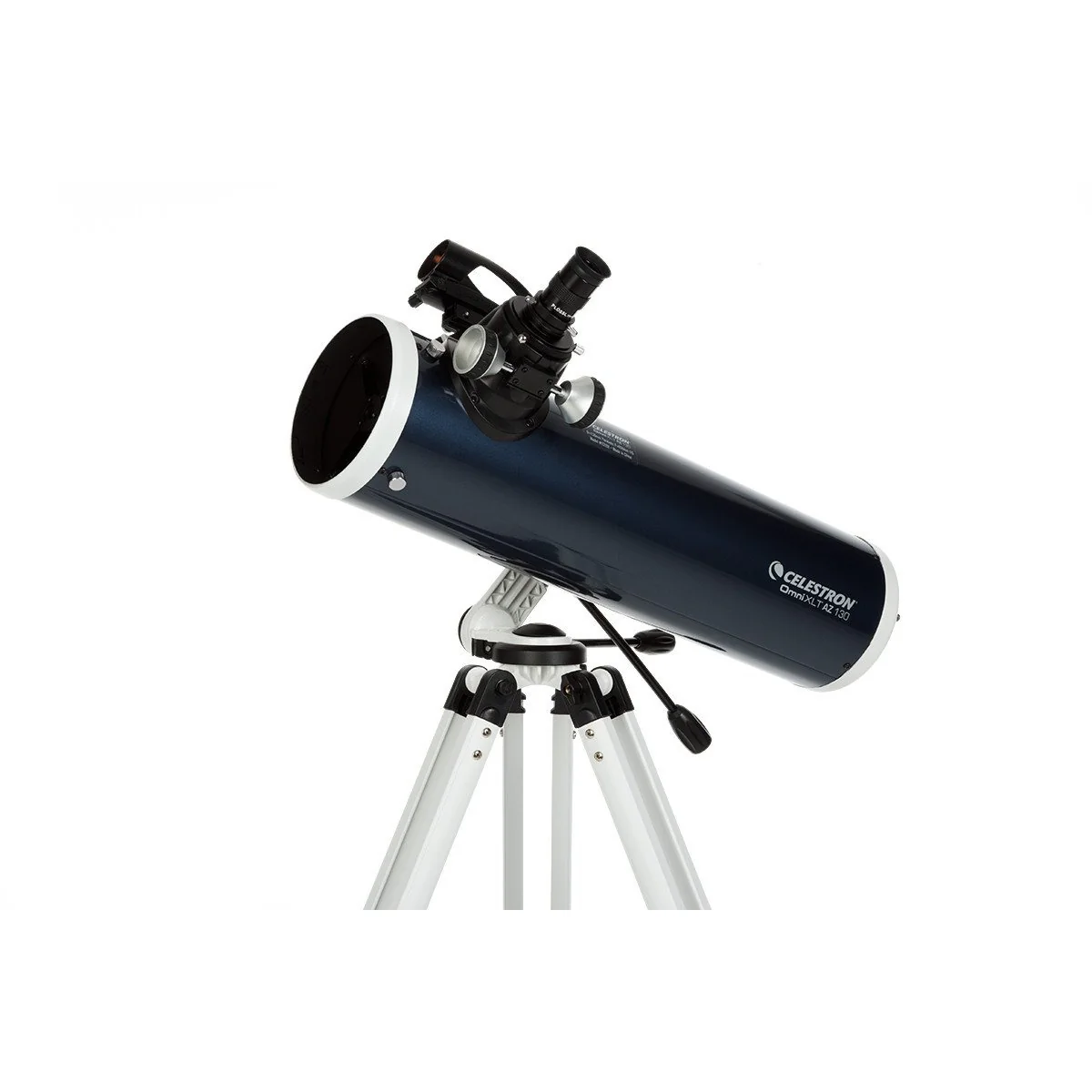
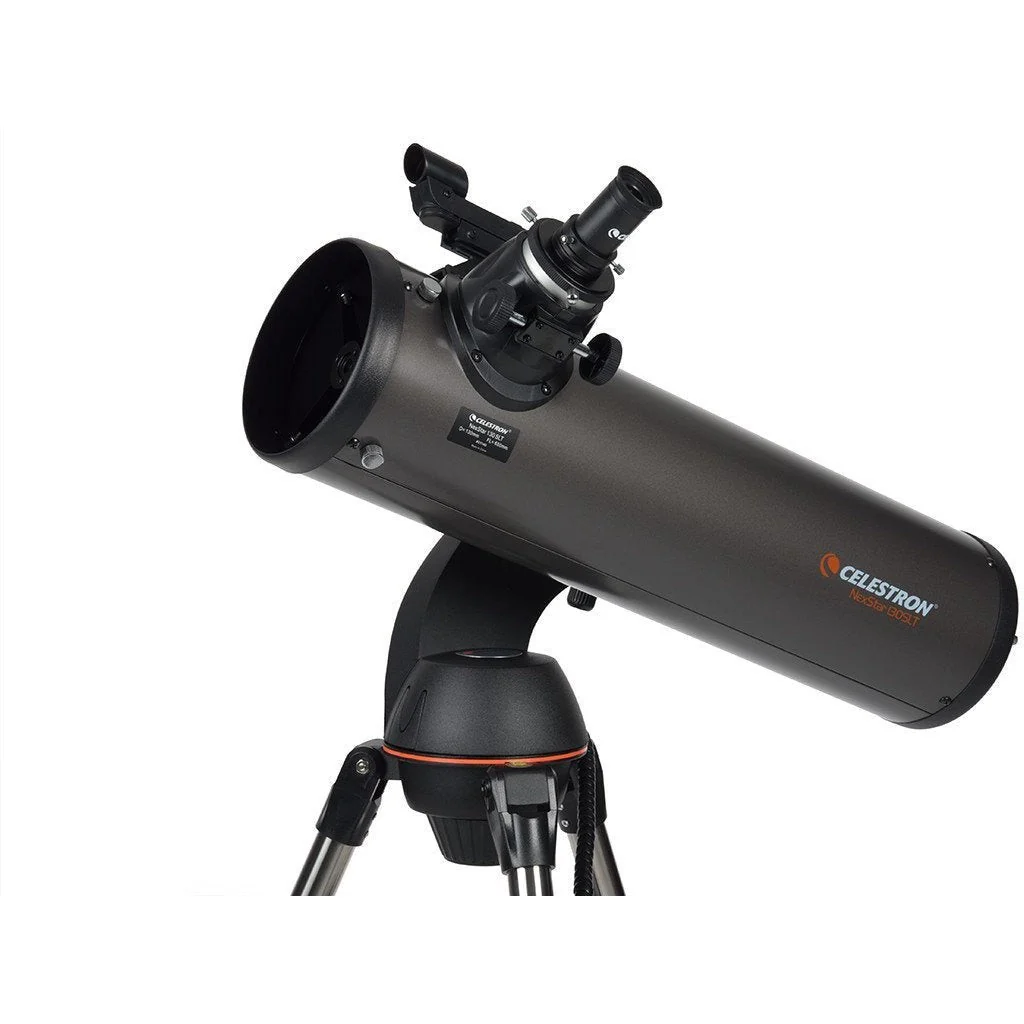
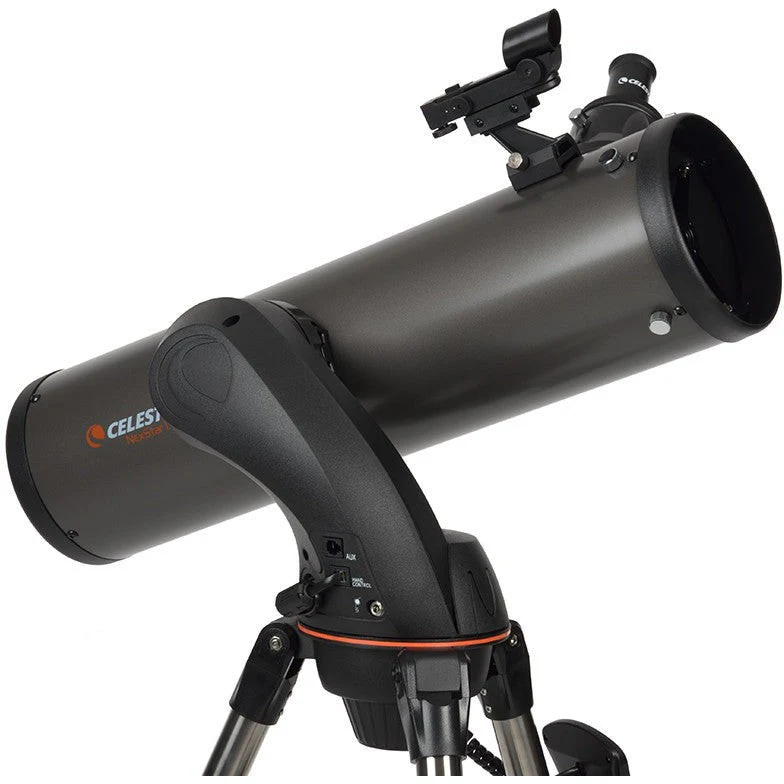
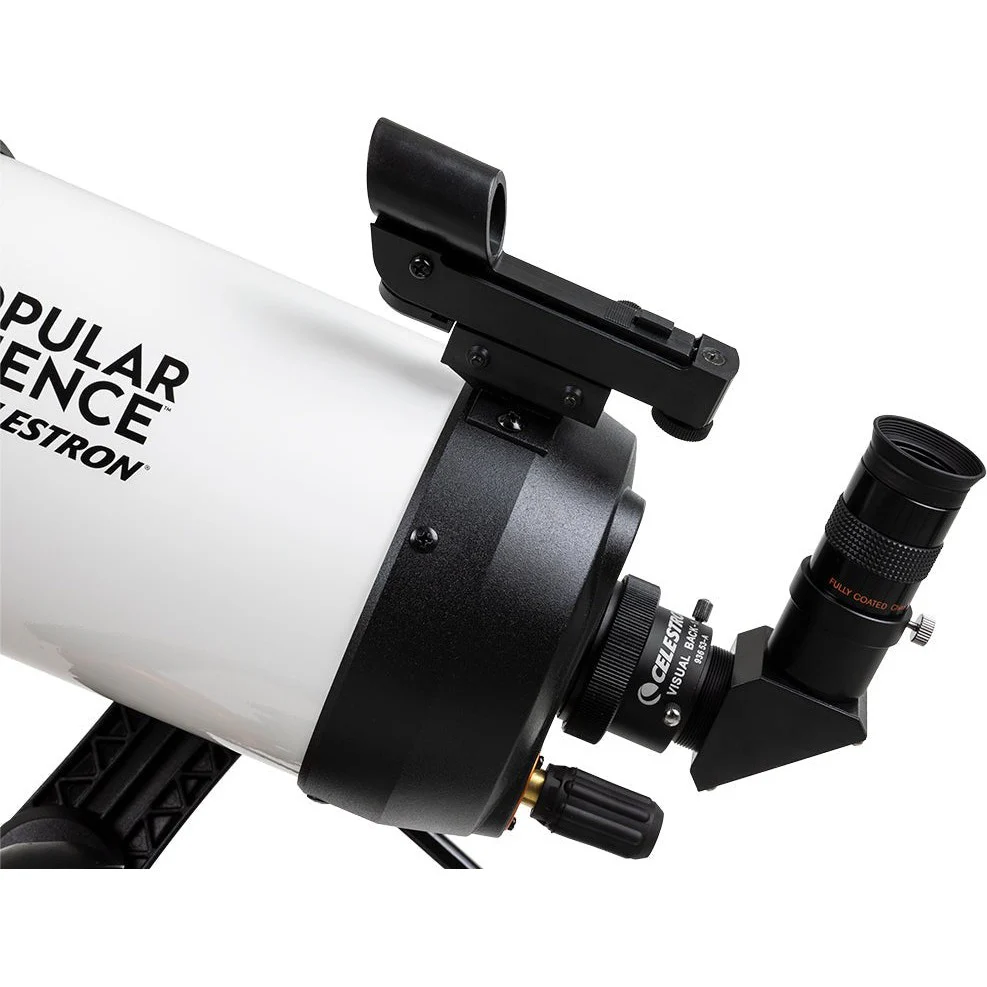
With a large 5” Schmidt-Cassegrain optical tube—Celestron’s tried-and-true optical design for over 50 years—this telescope has enough light gathering ability to bring out impressive detail in celestial objects while remaining compact and lightweight. You can expect sharp, bright views of Jupiter’s four Galilean moons, its cloud bands and Great Red Spot, the rings of Saturn, the trapezium in the Orion Nebula, and the beautiful Pleiades Open Star Cluster. While the StarSense Explorer DX 130 Newtonian has a slightly larger aperture, the 5" Schmidt-Cassegrain has twice the focal length of the 130, allowing higher magnification for better lunar and planetary views.
All air-to-glass surfaces are coated with our StarBright XLT optical coatings to visibly increase contrast and light transmission for brighter deep space views. With StarBright XLT, you’ll be able to discern subtle details while viewing the Moon and planets as well as faint galaxies and nebulae. For more information about our patented StarBright XLT coatings, visit here.
Perfect for the City or Dark Sky Sites
Even if you live in a light polluted city location, the Popular Science by Celestron StarSense Explorer is advanced enough to be able to pick out Jupiter, Saturn, Venus, the Orion Nebula, double stars, and a few more of the most famous celestial objects.
But if you can take the telescope to an even slightly darker location, more objects will become visible. With this 5” Schmidt-Cassegrain and relatively dark skies, the Andromeda Galaxy, Hercules Open Star Cluster, and so many more are easily within your reach.
More about Popular Science
For nearly 150 years, POPULAR SCIENCE has pointed people to the wonders of science, technology, and the future. We partner with designers & manufacturers who share our values of INNOVATION, QUALITY and SCIENCE to bring meaningful products to consumers like you.
More Images
Popular Science by Celestron StarSense Explorer DX 5" Smartphone App-Enabled Schmidt Cassegrain Telescope
Celestron has reinvented the manual telescope with StarSense Explorer—the first telescope that uses your smartphone to analyze the night sky and calculate its position in real time. This special edition Popular Science by Celestron StarSense Explorer is ideal for beginners thanks to the app’s user-friendly interface and detailed tutorials. It’s like having your own personal tour guide of the night sky.
Dock, Launch, Explore
Leave complicated star charts, imprecise planetarium apps, and computerized mounts behind. With StarSense Explorer, locating objects has never been easier, faster, or more accurate. Within minutes of setting up the telescope, you’ll be navigating the sky with confidence. Simply place your phone in the unique StarSense dock and launch the StarSense Explorer app. After aligning your phone to the telescope’s optics (a quick, 2-minute procedure), StarSense Explorer generates a list of celestial objects currently visible. Make your selection and arrows appear onscreen, guiding you as you to move the telescope. When the object is ready to view, the bullseye turns green.
Smartphone Compatibility
StarSense Explorer works with most modern smartphones; it is compatible with Android 12 and later, as well as iOS 18 and newer, including iPhone XR and newer models. Users with older phones can still use this app, but will not be able to reinstall the app if they uninstall it. For a complete compatibility list, click here.
Patented StarSense Sky Recognition Technology
StarSense Explorer uses patented technology and your smartphone to determine exactly where the telescope is pointed in the night sky. A Lost in Space Algorithm (LISA), like the ones satellites use in orbit to correctly orient themselves, helps the app match star patterns it detects overhead to its internal database.
While other astronomy apps may claim that they can help you find objects, they rely exclusively on the phone’s gyros and accelerometers, which aren’t as accurate as LISA technology. No other app can accurately tell you when your target is visible in the eyepiece.
High Quality Altazimuth Mount with Slow Motion Control
An ultra-stable altazimuth mount provides a sturdy foundation for StarSense Explorer DX. Slip clutches and geared slow motion controls in both axes help you move the telescope smoothly and zero in your target. As celestial objects appear to drift across the night sky, you’ll be able to follow them with just a few turns of the knobs. It’s all anchored by an adjustable, full-height tripod.
Dazzling Views with High Quality Optics
With a large 5” Schmidt-Cassegrain optical tube—Celestron’s tried-and-true optical design for over 50 years—this telescope has enough light gathering ability to bring out impressive detail in celestial objects while remaining compact and lightweight. You can expect sharp, bright views of Jupiter’s four Galilean moons, its cloud bands and Great Red Spot, the rings of Saturn, the trapezium in the Orion Nebula, and the beautiful Pleiades Open Star Cluster. While the StarSense Explorer DX 130 Newtonian has a slightly larger aperture, the 5" Schmidt-Cassegrain has twice the focal length of the 130, allowing higher magnification for better lunar and planetary views.
All air-to-glass surfaces are coated with our StarBright XLT optical coatings to visibly increase contrast and light transmission for brighter deep space views. With StarBright XLT, you’ll be able to discern subtle details while viewing the Moon and planets as well as faint galaxies and nebulae. For more information about our patented StarBright XLT coatings, visit here.
Perfect for the City or Dark Sky Sites
Even if you live in a light polluted city location, the Popular Science by Celestron StarSense Explorer is advanced enough to be able to pick out Jupiter, Saturn, Venus, the Orion Nebula, double stars, and a few more of the most famous celestial objects.
But if you can take the telescope to an even slightly darker location, more objects will become visible. With this 5” Schmidt-Cassegrain and relatively dark skies, the Andromeda Galaxy, Hercules Open Star Cluster, and so many more are easily within your reach.
More about Popular Science
For nearly 150 years, POPULAR SCIENCE has pointed people to the wonders of science, technology, and the future. We partner with designers & manufacturers who share our values of INNOVATION, QUALITY and SCIENCE to bring meaningful products to consumers like you.
Product Information
Product Information
Shipping & Returns
Shipping & Returns
Description
Celestron has reinvented the manual telescope with StarSense Explorer—the first telescope that uses your smartphone to analyze the night sky and calculate its position in real time. This special edition Popular Science by Celestron StarSense Explorer is ideal for beginners thanks to the app’s user-friendly interface and detailed tutorials. It’s like having your own personal tour guide of the night sky.
Dock, Launch, Explore
Leave complicated star charts, imprecise planetarium apps, and computerized mounts behind. With StarSense Explorer, locating objects has never been easier, faster, or more accurate. Within minutes of setting up the telescope, you’ll be navigating the sky with confidence. Simply place your phone in the unique StarSense dock and launch the StarSense Explorer app. After aligning your phone to the telescope’s optics (a quick, 2-minute procedure), StarSense Explorer generates a list of celestial objects currently visible. Make your selection and arrows appear onscreen, guiding you as you to move the telescope. When the object is ready to view, the bullseye turns green.
Smartphone Compatibility
StarSense Explorer works with most modern smartphones; it is compatible with Android 12 and later, as well as iOS 18 and newer, including iPhone XR and newer models. Users with older phones can still use this app, but will not be able to reinstall the app if they uninstall it. For a complete compatibility list, click here.
Patented StarSense Sky Recognition Technology
StarSense Explorer uses patented technology and your smartphone to determine exactly where the telescope is pointed in the night sky. A Lost in Space Algorithm (LISA), like the ones satellites use in orbit to correctly orient themselves, helps the app match star patterns it detects overhead to its internal database.
While other astronomy apps may claim that they can help you find objects, they rely exclusively on the phone’s gyros and accelerometers, which aren’t as accurate as LISA technology. No other app can accurately tell you when your target is visible in the eyepiece.
High Quality Altazimuth Mount with Slow Motion Control
An ultra-stable altazimuth mount provides a sturdy foundation for StarSense Explorer DX. Slip clutches and geared slow motion controls in both axes help you move the telescope smoothly and zero in your target. As celestial objects appear to drift across the night sky, you’ll be able to follow them with just a few turns of the knobs. It’s all anchored by an adjustable, full-height tripod.
Dazzling Views with High Quality Optics
With a large 5” Schmidt-Cassegrain optical tube—Celestron’s tried-and-true optical design for over 50 years—this telescope has enough light gathering ability to bring out impressive detail in celestial objects while remaining compact and lightweight. You can expect sharp, bright views of Jupiter’s four Galilean moons, its cloud bands and Great Red Spot, the rings of Saturn, the trapezium in the Orion Nebula, and the beautiful Pleiades Open Star Cluster. While the StarSense Explorer DX 130 Newtonian has a slightly larger aperture, the 5" Schmidt-Cassegrain has twice the focal length of the 130, allowing higher magnification for better lunar and planetary views.
All air-to-glass surfaces are coated with our StarBright XLT optical coatings to visibly increase contrast and light transmission for brighter deep space views. With StarBright XLT, you’ll be able to discern subtle details while viewing the Moon and planets as well as faint galaxies and nebulae. For more information about our patented StarBright XLT coatings, visit here.
Perfect for the City or Dark Sky Sites
Even if you live in a light polluted city location, the Popular Science by Celestron StarSense Explorer is advanced enough to be able to pick out Jupiter, Saturn, Venus, the Orion Nebula, double stars, and a few more of the most famous celestial objects.
But if you can take the telescope to an even slightly darker location, more objects will become visible. With this 5” Schmidt-Cassegrain and relatively dark skies, the Andromeda Galaxy, Hercules Open Star Cluster, and so many more are easily within your reach.
More about Popular Science
For nearly 150 years, POPULAR SCIENCE has pointed people to the wonders of science, technology, and the future. We partner with designers & manufacturers who share our values of INNOVATION, QUALITY and SCIENCE to bring meaningful products to consumers like you.